Ready to buy your first home in St. Paul but not sure where to start? You are not alone. The Twin Cities market has cooled from the 2020 to 2022 rush, yet the best homes still draw interest. This guide gives you a clear path through financing, timelines, inspections, costs, and local norms so you can move forward with confidence. Let’s dive in.
St. Paul market snapshot
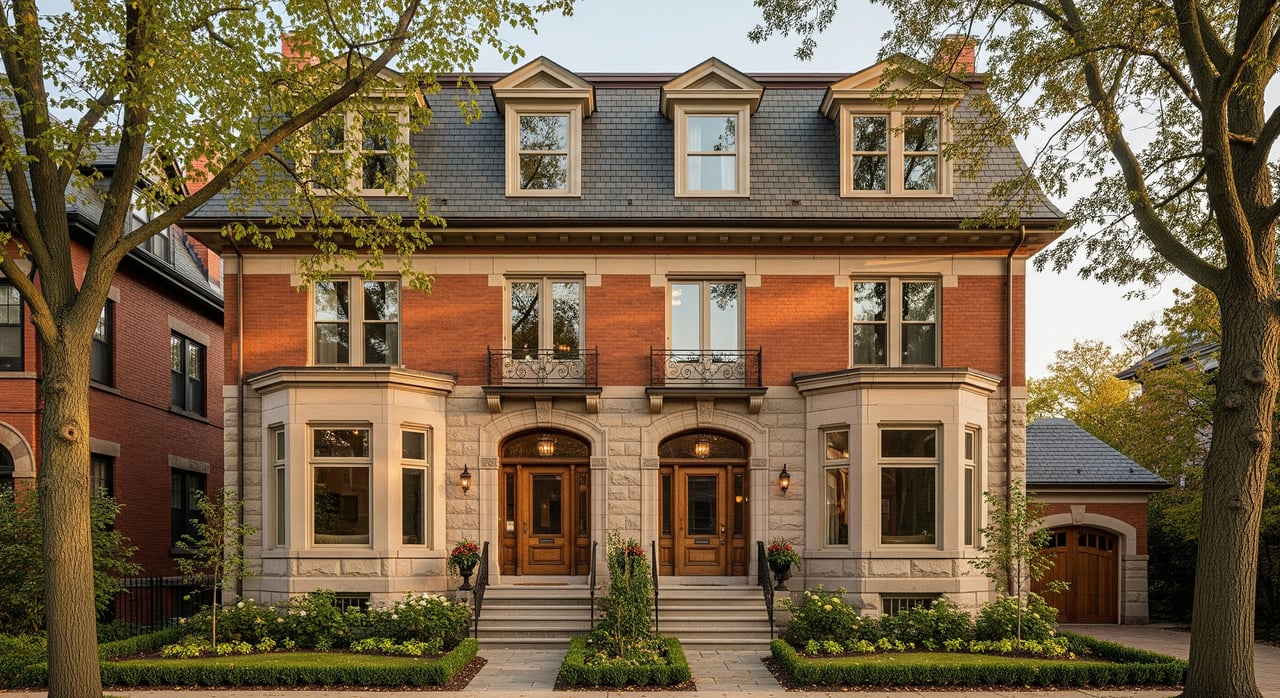
St. Paul follows broader Twin Cities trends, with neighborhood-level differences. Activity has eased from peak years, but well-priced homes in desirable areas can still see competition. Housing types range from early 20th-century single-family homes to newer infill and condos, so condition and inspection needs can vary widely. For current numbers on pricing and inventory, plan to review monthly reports from local Realtor associations.
Your buying timeline
Get preapproved first
Preapproval usually takes 1 to 7 days once you share documents. Lenders typically request a photo ID, Social Security number, recent pay stubs, W-2s, tax returns if self-employed, bank statements, proof of assets, and gift letters if applicable. A solid preapproval letter helps you write a competitive offer fast.
Search, tour, and shortlist
House hunting can take weeks to months. In St. Paul, many homes are older, so start thinking about specialized inspections early. Keep your top needs list tight, note commute patterns, and review property tax history and seller disclosures before writing.
Write the offer and deposit earnest money
Once you find the right home, you will write an offer that includes price, contingencies, and dates. Acceptance can come within 1 to 7 days. Plan your earnest money so you can deposit it within the timeframe stated in the purchase agreement, often a few business days after acceptance.
Complete inspections within your window
Inspection windows commonly run 7 to 14 days, though you can negotiate timing. Order a general home inspection and strongly consider a radon test. Depending on age and condition, you may also add a sewer scope, HVAC, roof, or other specialty inspections. You can request repairs, credits, renegotiate, or cancel within the contingency period if allowed by your contract.
Appraisal and underwriting
Your lender typically completes appraisal and underwriting within 21 to 45 days of loan application. If the appraisal is low, you may renegotiate, bring additional cash, or use the appraisal contingency if your contract allows. Align your inspection and financing deadlines so there are no conflicts.
Closing day
Most closings occur 30 to 60 days after acceptance. You will receive a Closing Disclosure at least three business days before closing, review final numbers, sign, fund your down payment and closing costs, then receive keys when the title transfers.
Earnest money and contingencies
Earnest money shows good faith and is credited to you at closing. In balanced conditions, buyers often see fixed amounts like 1,000 to 5,000 dollars. In more competitive situations, you might offer 1 to 3 percent of the purchase price. The contract specifies where the deposit is held, and when it is due. Protect yourself with contingencies that fit your situation, such as inspection, financing, and appraisal. Avoid waiving protections unless you understand the risks and have the financial strength to proceed.
Inspections for Minnesota homes
Minnesota has a high radon potential, so include radon testing in your plan. Mitigation systems are common and effective. St. Paul’s older housing stock may include lead-based paint, knob-and-tube wiring, older plumbing, or settlement concerns. A general inspection is essential, and you may add specialized inspections like sewer scopes or HVAC checks based on the property. In winter, snow and ice can hide exterior issues. Ask your inspector about seasonal limitations and whether a follow-up assessment in spring makes sense.
What it costs to buy
Plan for both upfront and ongoing costs:
- Down payment: 0 percent for eligible VA, about 3.5 percent for FHA, and 3 to 5 percent or more for many conventional first-time programs. Twenty percent avoids private mortgage insurance but is not required for many buyers.
- Closing costs: commonly about 2 to 5 percent of the purchase price, including lender, title, recording, and prepaid items.
- Inspection costs: a general home inspection often runs 300 to 600 dollars, with 100 to 200 dollars for a radon test. Specialty inspections cost extra.
- Ongoing costs: property taxes, homeowner’s insurance, utilities, HOA dues if applicable, and maintenance.
Identify your comfortable monthly payment using principal, interest, taxes, and insurance. Keep earnest money funds available in an account ready for a deposit or wire when needed.
First-time buyer assistance
Minnesota Housing offers first-time buyer mortgages, down payment assistance, and education resources. Ramsey County and the City of St. Paul may also provide local assistance or education requirements. Federal programs such as FHA, VA, and USDA can be helpful depending on eligibility. Connect with an approved Minnesota Housing lender and local housing agencies to confirm current program details, income limits, and requirements.
Seasonal strategies in St. Paul
- Spring: You will likely see the most listings and the most competition. Be fully preapproved and ready with clean terms.
- Summer: Still active, with good conditions for inspections and contractor access.
- Fall: Activity cools and motivated sellers may stand out. You might negotiate more on price or concessions.
- Winter: Fewer listings and buyers can mean better terms, but selection is limited. Plan carefully for inspections affected by weather.
Pre-offer checklist
- Get mortgage preapproval from at least one lender.
- Set your comfortable monthly payment target using PITI.
- List top neighborhoods, commute needs, and property features.
- Line up a home inspector familiar with older MN homes and radon.
- Have earnest money ready in an accessible account.
- Review seller disclosures, property tax history, and recent utility costs.
Smart negotiation tips
- Keep deadlines aligned. Match your inspection and financing dates with your lender’s timeline.
- Show strength with a timely earnest money deposit and complete documentation.
- Focus on the big items during inspection negotiations. Credits or repairs that address health, safety, or major systems can be more impactful than minor fixes.
- Be flexible on closing or possession if that helps the seller and fits your schedule.
How Kampmeyer Group helps
You deserve experienced guidance and steady communication from search to closing. As a boutique, senior-led team focused on St. Paul and the east Metro, we pair local insight with clear, step-by-step support. We help you prepare a strong offer, choose smart contingencies, and navigate inspections common to older homes. When you are ready to start, connect with the Kampmeyer Group for attentive buyer representation and a confident path to your first home.
FAQs
How much earnest money is typical in St. Paul?
- Amounts vary by market and price. Fixed sums like 1,000 to 5,000 dollars are common in balanced conditions, and 1 to 3 percent can strengthen an offer in competitive situations.
How long is the inspection window in Minnesota?
- Many purchase agreements use a 7 to 14 day inspection period, though you can negotiate the timeline based on the property.
Can I cancel after inspection without losing earnest money?
- If your purchase agreement includes an inspection contingency and you act within the deadline, you can cancel as permitted by the contract without forfeiting the deposit.
What if the appraisal comes in low on my St. Paul home?
- You can renegotiate price, bring additional cash, or use your appraisal contingency if included. Your lender and agent will help you evaluate options.
Who usually pays closing costs in St. Paul?
- Buyers typically cover loan-related fees and some title charges, while sellers may contribute concessions. Final allocation depends on local custom and negotiation.
How important is radon testing in Minnesota homes?
- Very important. Minnesota has higher radon potential, and testing during your inspection is strongly recommended. Mitigation systems are common and effective.