Thinking about crossing the river for more space, water access, or a slower pace without losing touch with the Twin Cities? You are not alone. Western Wisconsin has become a go-to for commuters, second-home buyers, and retirees who want value and lifestyle. In this guide, you will learn the best times to shop, the differences between river towns and lake areas, what to inspect, how to structure a strong offer, and how long closings really take. Let’s dive in.
Western Wisconsin at a glance
Western Wisconsin communities along the St. Croix and Mississippi corridors sit within roughly a one to two hour drive of Minneapolis–St. Paul. The region includes counties such as St. Croix, Pierce, Polk, Pepin, Buffalo, Trempealeau, La Crosse, Vernon, and Crawford. Buyer interest ranges from commuters seeking lower housing costs, to second-home and lake buyers, to retirees and investors.
Market dynamics vary by county and even by neighborhood. Towns closer to the Twin Cities and desirable waterfront pockets tend to be more competitive than remote inland areas. Before you compare prices, plan to validate current data like median sale price, inventory, and days on market with the latest local reports.
Seasonality and inventory timing
Best months to shop
Expect peak activity from April through September. More listings typically hit the market in spring, especially waterfront and recreational homes. You will likely see more choices, but you should prepare to act quickly in popular areas as summer progresses.
Late fall and winter advantages
From November through February, activity slows. You may face fewer competing offers and more room to negotiate. The tradeoff is fewer listings and potential hurdles seeing waterfront features or seasonal systems during cold weather.
Second-home visit planning
If you are eyeing a cabin or lake house, try to tour when docks, boat launches, and shoreline are accessible. Spring and summer give you the best read on water access, erosion, and amenities.
River towns vs lake areas
River towns: what to expect
Communities along the Mississippi and St. Croix often have historic downtowns, year-round services, and stronger rental demand near the Twin Cities and La Crosse. Some low-lying parcels can fall within flood zones. Always confirm floodplain status and local ordinances before writing an offer.
Lake properties: what to expect
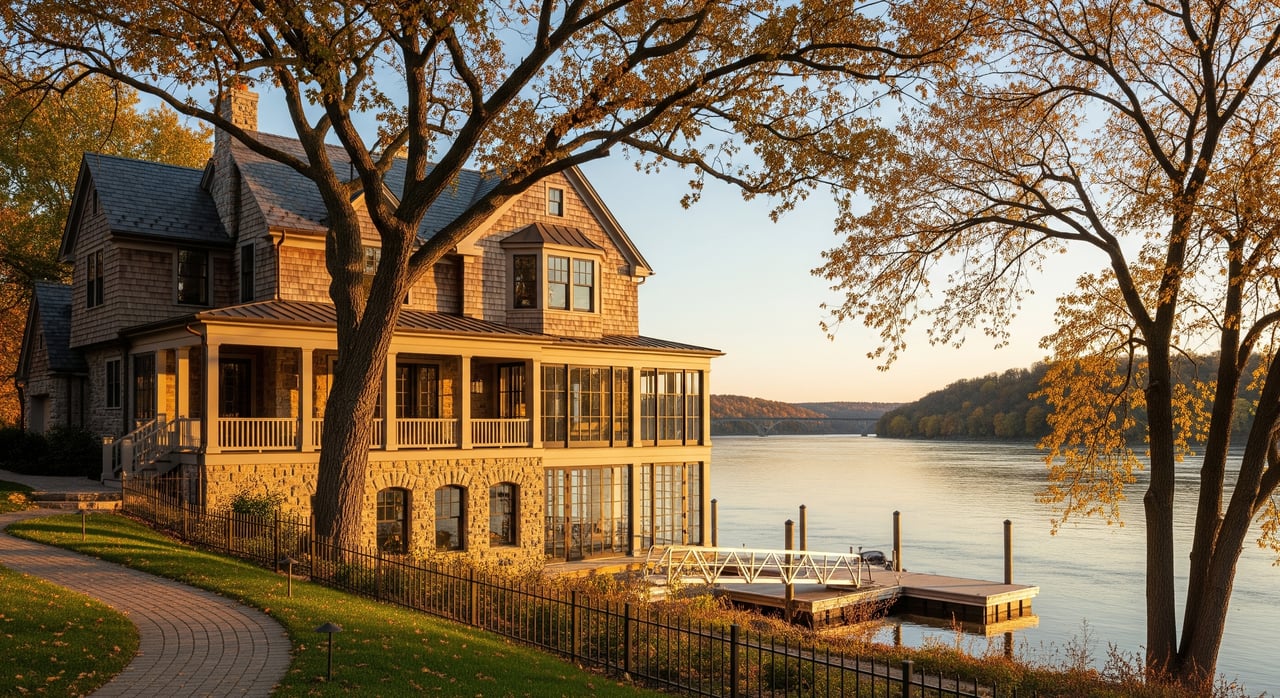
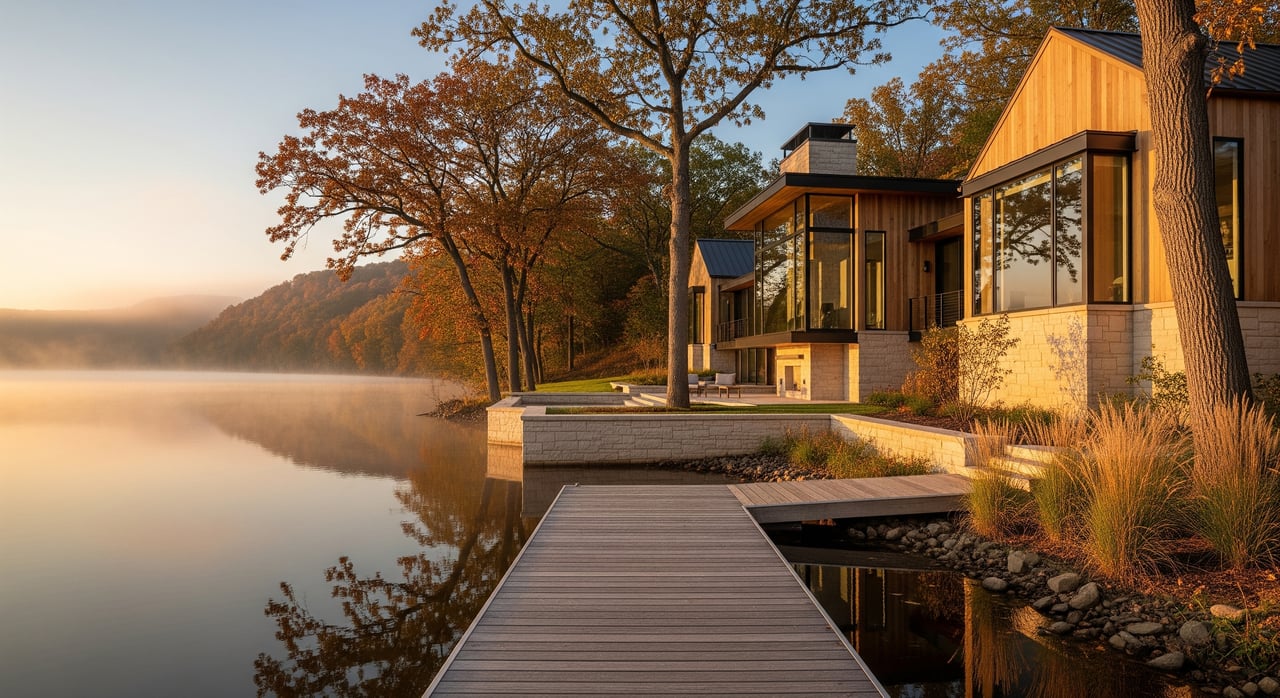
Inland lakes and Lake Pepin areas see a higher share of seasonal homes and vacation rentals. Listings can be cyclical, with many owners choosing to list during spring and summer. Water levels, shoreline erosion, and bluff stability can influence value and future improvements.
Key due diligence for waterfront
- Confirm riparian rights, pier and docking rules, and whether the waterbody is public or private.
- Verify any easements for shared driveways, shoreline access, or utilities.
- Review shoreline structures like docks or riprap for permits, condition, and replacement costs.
Rules, permits, and property rights
Wisconsin shoreland zoning sets standards for setbacks, tree removal, and impervious surfaces near public waters. Counties and municipalities can add their own rules. Before you plan improvements, review county shoreland ordinances and ask how they apply to your lot.
Many riverfront parcels fall within FEMA flood zones. Lenders require flood insurance for structures in mapped floodplains, and some buyers choose coverage even when it is not required. You should also ask about bluff setbacks or erosion limits that may restrict building or expansion.
For waterfront parcels, understand the public trust doctrine on navigable waters and how it affects access and use. Confirm recorded easements and maintenance duties, especially on shared drives or stairways to the water.
Inspections and infrastructure checks
Many rural and waterfront properties rely on private wells and septic systems. Order certified inspections and get maintenance and pumping records. In some counties, a functioning certification may be required for transfer.
If a property has docks, lifts, or shoreline reinforcement, ask for documentation on permits and repairs. For seasonal cabins, confirm year-round road maintenance, electric, heating, and broadband options. If a property was winterized, factor in time to verify systems once they are de-winterized.
Offer strategy and competitiveness
Competition can be intense in towns close to the Twin Cities and in sought-after waterfront areas, especially in peak season. In remote markets or off-season, you may have more leverage. A strong offer usually includes:
- A recent pre-approval or proof of funds. Cash and solid pre-approvals strengthen your position.
- Meaningful earnest money to signal commitment.
- Clear but prudent inspections. Consider shorter timelines rather than waiving critical items like well and septic.
- Escalation clauses and appraisal gap language where appropriate, with your agent’s guidance.
Financing second homes and rural properties
Second-home loans often require larger down payments, commonly in the 10 to 20 percent range, along with stronger reserves and documentation. Many government-backed programs are designed for primary residences, and USDA loans may be available in eligible rural areas with occupancy rules.
Appraisals for unique lakefront, bluff, or acreage homes can be challenging. Limited comparable sales can affect value opinions. Cash or flexible portfolio lenders can help reduce appraisal risk when properties are one-of-a-kind.
Closing timelines and how to plan
Cash purchases can close quickly, often in 7 to 14 days, depending on title work and seller readiness. With financing, most buyers should plan on 30 to 45 days for conventional loans, and sometimes longer for FHA or VA due to program requirements.
Closings can stretch if you need well and septic evaluations, flood insurance, surveys, or if title research uncovers easement questions. Appraisal delays or low valuations may add time for renegotiation or additional funds. If you are selling another home, build buffer time into your plans.
Smart buyer checklist
- Get pre-approved and set your budget for primary vs second-home financing.
- Choose your target: river town convenience, inland lake serenity, or a rural acreage.
- Time your search. Shop April to September for selection, or late fall to winter for negotiation.
- Verify shoreland zoning, floodplain status, and bluff setbacks for any waterfront or bluff property.
- Order home, well, and septic inspections and review maintenance records.
- Confirm access, easements, road maintenance, utilities, and broadband.
- Align offer terms to the micro-market. Use earnest money, timelines, and contingencies wisely.
- Plan for a 30 to 45 day financed closing, or 7 to 14 days for cash, plus buffer time.
When you want local perspective across St. Paul’s east-metro and western Wisconsin lake country, you deserve senior, hands-on representation. The Kampmeyer Group blends boutique service with the reach and presentation of a leading national brand so your purchase is well-advised and well-executed from first tour to final keys.
Ready to talk through timing, neighborhoods, or a lakefront search plan? Connect with the Kampmeyer Group to start a focused, confident path to your next home.
FAQs
How competitive are offers near the Twin Cities in western Wisconsin?
- Expect stronger competition in river towns and popular waterfront pockets during spring and summer, with more negotiating room in off-peak or remote areas.
When is the best season to shop for waterfront homes?
- Spring through summer offers the most selection and access to docks and shoreline, while late fall and winter bring fewer listings but potential negotiation advantages.
What special inspections should I plan for on rural or waterfront properties?
- Beyond a general home inspection, plan for certified well and septic evaluations, shoreline structure checks, and a survey if boundaries or access are unclear.
Will I need flood insurance for a riverfront home?
- If the structure is in a mapped FEMA floodplain, lenders require flood insurance; some buyers choose coverage even when it is not required.
What down payment should I expect for a second home?
- Many second-home loans require 10 to 20 percent down, with added reserve and documentation requirements compared to primary residences.
How long will closing take in western Wisconsin?
- Cash closings can happen in 7 to 14 days; financed purchases commonly run 30 to 45 days, longer if inspections, appraisals, or title issues add steps.