Want to cut your housing costs in Saint Paul while building equity and learning the rental game? House hacking with a duplex or triplex can help you live in one unit and rent the others to offset your mortgage. You get access to owner-occupant financing, potential tax benefits, and a path to scale at your own pace. In this guide, you’ll learn how house hacking works in Saint Paul, how to finance a 2–3 unit property, how to underwrite a deal, and what local rules you should know before you buy. Let’s dive in.
What house hacking means
House hacking is simple: you buy a multi-unit property, live in one unit, and rent the other unit or units. The rent helps cover your mortgage and operating costs. Over time, you build equity and gain hands-on experience as a landlord.
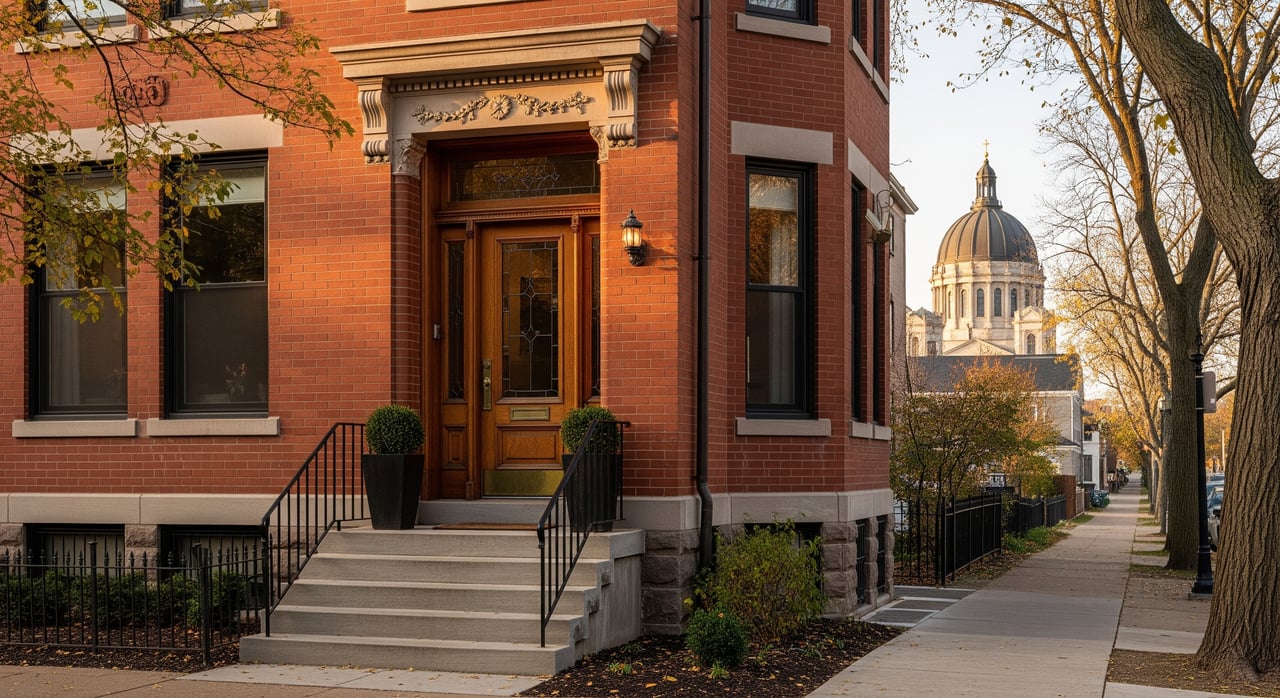
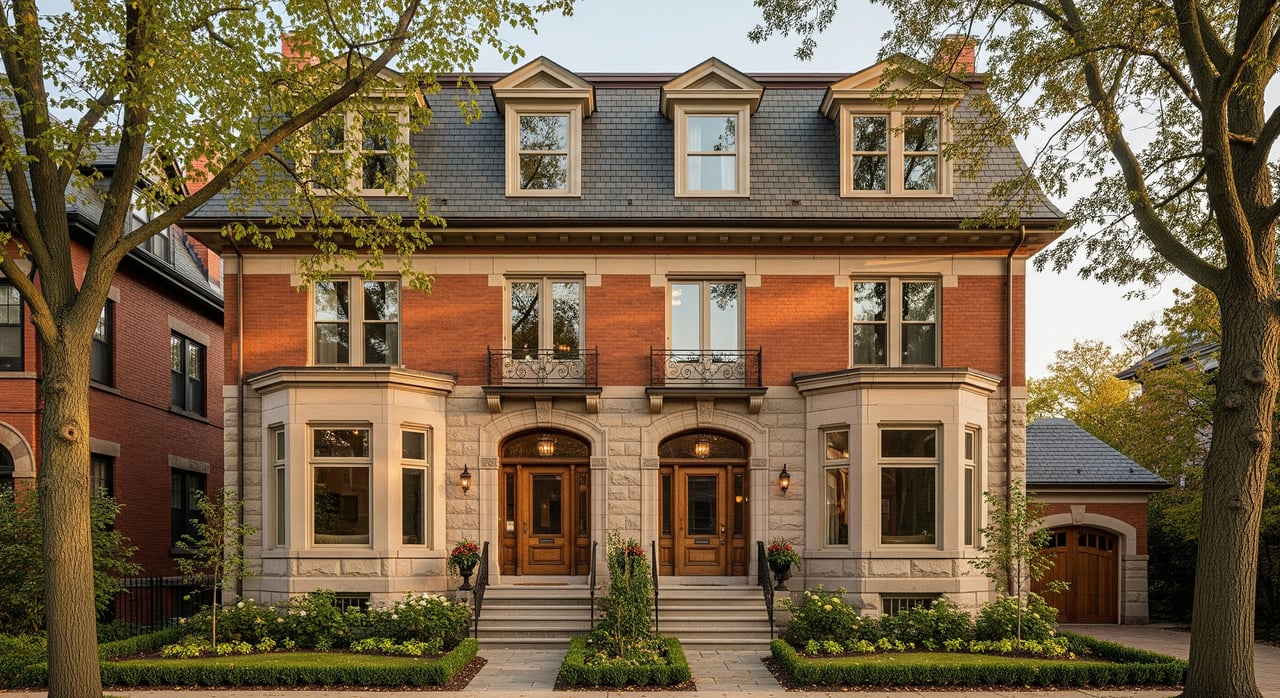
In Saint Paul, older neighborhoods include many 2–4 unit properties that fit this model. You can choose to self-manage or hire a property manager once the numbers allow. The strategy is popular with budget-conscious buyers who want a practical entry into real estate.
Why duplexes and triplexes work here
Owner-occupants can access loan programs for 2–4 unit homes that are often more favorable than investment-only financing. Saint Paul’s housing stock includes many early to mid-20th-century duplexes and triplexes, which means more options across several neighborhoods.
Demand tends to follow transit corridors and job centers. Properties near universities, hospitals, downtown employment, and major routes like University Avenue often draw steady renter interest. Competition can tighten in certain cycles, so work with an agent who knows small multi-family.
Financing options overview
Several loan programs support owner-occupied 2–4 unit purchases. Exact rules vary by lender and program, so confirm details with a mortgage professional.
- FHA
- Common for first-time buyers due to low minimum down payment and flexible credit guidelines.
- You must occupy one unit as your primary residence. FHA also requires the property to meet minimum safety and condition standards. Repairs may be required before closing.
- Conventional (Fannie Mae/Freddie Mac)
- Available for 2–4 unit owner-occupied homes.
- Down payment and reserve requirements are often higher than for single-family purchases. PMI rules and credit thresholds vary by lender.
- VA (for eligible veterans and active-duty)
- Can be used for 1–4 unit owner-occupied properties, often with no down payment for eligible borrowers.
- VA occupancy and appraisal standards apply. Some lenders add extra requirements.
- Other programs
- USDA focuses on rural areas and has income and location limits. Verify eligibility for a Saint Paul address.
- State and local down payment assistance may be available through Minnesota Housing or nonprofit organizations.
Key underwriting points to discuss with lenders:
- Occupancy timing and minimum occupancy period.
- Cash reserve requirements for 2–4 units.
- How projected rental income will be counted for qualifying.
- Appraisal expectations for multi-unit properties.
- Current loan limits for 2–4 units in Ramsey County.
Run the numbers like an investor
Before you write an offer, build a simple pro forma. Be conservative. The goal is to see how the rent from the other unit or units offsets your housing costs and operating expenses.
- Gross potential rent: total rent at market rates when fully occupied.
- Vacancy allowance: set aside 5–10 percent of gross rent to reflect realistic downtime.
- Effective gross income: gross rent minus vacancy.
- Operating expenses: property taxes, insurance, utilities, maintenance, repairs, management, and capital reserves.
- Net Operating Income (NOI): effective gross income minus operating expenses.
- Debt service: principal, interest, mortgage insurance or guarantee fees, plus escrowed taxes and insurance if applicable.
- Cash flow before taxes: NOI minus debt service.
Helpful metrics and reminders:
- Rent-to-price ratio (gross rent multiplier) can help you compare options quickly, but always verify with a full pro forma.
- Cash-on-cash return helps you evaluate annual cash flow against your cash invested. Many house hackers focus first on reducing personal housing cost, then on return.
- Plan for tax changes by reviewing assessment history through Ramsey County records.
Plan for vacancy and reserves
Vacancy and repairs happen. Build a cushion so a slow month or a broken water heater does not derail your plan.
- Emergency reserves: keep at least 3–6 months of total housing costs. Many small landlords prefer 6–12 months because repair costs are unpredictable.
- Turnover fund: budget for cleaning, paint, and minor make-ready items when a unit changes tenants.
- Capital reserves: set aside funds annually for big-ticket items like a roof, boiler, or major plumbing work.
- Stress-test your pro forma: model 0, 5, and 10 percent vacancy to see how your cash flow changes.
Saint Paul due diligence checklist
Local rules and property specifics matter. Confirm these items during your inspection period.
- Zoning and legal units: verify that the property is legally configured as a duplex or triplex and that unit separations and egress meet code.
- Rental licensing and inspections: Saint Paul requires licensing and may require inspections with timelines for compliance. Understand the steps and fees for a multi-unit, owner-occupied property.
- Lead-based paint: for pre-1978 buildings, follow federal and local disclosure and safety rules.
- Utilities and meters: confirm which utilities are separately metered and which the owner will pay. Shared systems affect your operating budget.
- Building systems: get a full home inspection, sewer scope, HVAC or boiler check, and, if appropriate, a pest inspection and a lead-based paint risk assessment.
- Safety features: check smoke and carbon monoxide alarms, fire barriers, and exits appropriate for multi-unit use.
- Insurance: price an owner-occupied multi-family policy with liability coverage. Premiums vary by age of the building and claims history.
Neighborhood and tenant demand
Target areas with steady renter demand. In Saint Paul, proximity to major employers, healthcare, colleges, transit, and amenities often supports occupancy and stable rents. Locations near Regions Hospital, downtown employment hubs, the University Avenue corridor, Summit-University, Highland, and nearby college campuses can see consistent interest from working renters and students.
Stay neutral and fact-based when comparing areas. Focus on commute options, local amenities, and property condition. Evaluate typical lease lengths and turnover for the tenant profiles you plan to serve.
Step-by-step buying roadmap
Use this simple plan to move from interest to closing with fewer surprises.
- Gather data
- Pull recent 2–4 unit sales and study neighborhood-level pricing in Saint Paul.
- Research current rents for comparable units using multiple sources.
- Talk to lenders early
- Get pre-approved with lenders who regularly finance duplexes and triplexes.
- Ask how they count rental income, reserve requirements, down payment expectations for 2–3 units, and appraisal standards.
- Hire an experienced agent
- Choose an agent who knows Saint Paul small multi-family. They can spot unpermitted conversions, deferred maintenance, or inconsistent rent histories.
- Inspect thoroughly
- Order a full inspection, sewer scope, HVAC or boiler review, and lead paint assessment for older buildings.
- Request contractor estimates for any major repairs or upgrades.
- Confirm licensing and code compliance
- Contact Saint Paul’s rental licensing and inspection offices to understand registration steps, inspection timelines, and any required work.
- Build a conservative pro forma
- Test multiple vacancy scenarios. Include maintenance, capital reserves, and potential tax changes.
- Plan post-closing management
- If self-managing, line up applications, compliant lease templates, and a repair response plan.
- If hiring a manager, collect quotes. Many local firms charge a percentage of monthly rent.
Common pitfalls in older properties
Older Saint Paul buildings can be great opportunities, but watch for costly surprises.
- Deferred maintenance on roofs, foundations, plumbing, or electrical systems.
- Knob-and-tube wiring or outdated panels that may need upgrades.
- Aging boilers or shared mechanicals that can be expensive to replace.
- Unpermitted units or layout changes that do not meet code.
Bring a qualified inspector and, when needed, specialist contractors to your walkthroughs.
Local landlord-tenant basics
Minnesota landlord-tenant law outlines deposits, notices, and the eviction process. Saint Paul may have additional local requirements. Understand notice periods, documentation, and the expected timeline and cost if you need to remove a nonpaying tenant. Build this risk into your reserves and underwriting.
Ready to explore a Saint Paul house hack?
If you want a practical path to lower housing costs and long-term equity, a duplex or triplex in Saint Paul can be a smart move. With the right financing, conservative underwriting, and careful due diligence, you set yourself up for predictable ownership and steady progress toward your goals.
If you’d like a curated list of duplex and triplex opportunities, a first pass at a pro forma, or introductions to lender partners, reach out to the Kampmeyer Group. We combine hands-on guidance with deep local knowledge so you can buy with confidence.
FAQs
What is house hacking for Saint Paul buyers?
- Buying a multi-unit property, living in one unit, and renting the others to offset your mortgage while building equity and gaining landlord experience.
Can I use FHA, VA, or conventional loans for a duplex or triplex?
- Yes, many programs allow 2–4 unit owner-occupied purchases, but rules vary by lender and program. Confirm occupancy timelines, down payment, and appraisal standards with your lender.
How should I plan for vacancies and repairs?
- Underwrite with 5–10 percent vacancy, keep 3–6 months (or more) of reserves, budget for turnover costs, and set aside capital funds for big systems like roofs or boilers.
What inspections are most important for older Saint Paul multi-units?
- A full home inspection, sewer scope, HVAC or boiler check, a lead-based paint risk assessment for pre-1978 buildings, and specialty contractor estimates for major items.
Do I need a Saint Paul rental license for a duplex or triplex?
- Yes, Saint Paul operates rental licensing and inspection programs. Confirm requirements, timelines, and fees with the city before you close.